High-Performance Effluent Treatment Plants for Sustainable Water Treatment
Effluent Treatment Plants (ETPs) are essential systems designed to treat and purify industrial wastewater before it is discharged into the environment or reused within the facility. Industrial processes often generate wastewater containing suspended solids, oils, grease, chemicals, heavy metals, organic pollutants, and other contaminants that can harm the environment if left untreated. Our High-Performance Effluent Treatment Plants are engineered to efficiently remove these impurities, ensuring compliance with environmental regulations while promoting sustainable water management practices.
With advanced treatment technologies and customized designs, our ETP solutions cater to a wide range of industries, including pharmaceuticals, textiles, food processing, chemicals, dairy, automotive, paper mills, and manufacturing units. Each system is tailored to meet specific wastewater characteristics and treatment requirements, delivering reliable performance and long-term operational efficiency.
Key Features
Advanced Multi-Stage Treatment Process
Our ETP systems utilize a combination of physical, chemical, and biological treatment processes to effectively remove contaminants from industrial effluents. This comprehensive approach ensures superior water quality and consistent treatment results.
Customized Plant Design
Every industry produces unique wastewater streams. We design and manufacture ETPs based on wastewater composition, flow rate, and discharge standards to ensure maximum efficiency and cost-effectiveness.
High Removal Efficiency
Our treatment plants are capable of reducing:
- Biological Oxygen Demand (BOD)
- Chemical Oxygen Demand (COD)
- Total Suspended Solids (TSS)
- Oil & Grease
- Toxic Chemicals
- Heavy Metals
- Color and Odor
Designed with advanced automation and optimized process controls, our ETPs minimize energy consumption while maintaining high treatment performance, reducing overall operating costs.
Automated Monitoring & ControlModern PLC and SCADA-based automation systems enable real-time monitoring, process optimization, and simplified plant management for enhanced reliability and operational convenience.
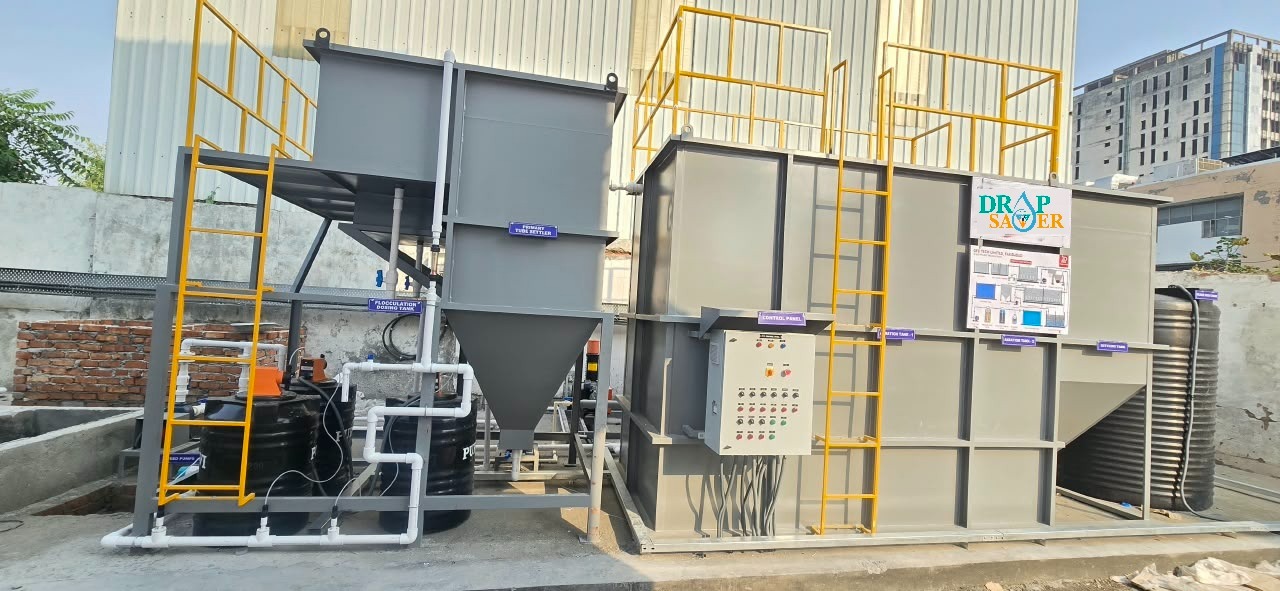
Major Components of the ETP System- Collection & Equalization Tank
- Oil & Grease Trap
- Chemical Dosing System
- Primary Clarifier
- Aeration Tank
- Secondary Clarifier
- Sludge Handling System
- Pressure Sand Filter (PSF)
- Activated Carbon Filter (ACF)
- Membrane Filtration Systems (UF/RO)
- Treated Water Storage Tank
Environmental Compliance
Meet local and international environmental discharge standards while avoiding penalties and regulatory issues.
Water Reuse & Conservation
Treated water can be reused for cooling, gardening, flushing, process applications, and utility purposes, significantly reducing freshwater consumption.
Reduced Environmental Impact
Proper wastewater treatment helps protect rivers, lakes, groundwater, and ecosystems from industrial pollution.
Improved Corporate Sustainability
Implementing an ETP demonstrates a commitment to environmental responsibility and sustainable industrial operations.
Cost Savings
Water recycling, reduced disposal costs, and optimized treatment processes contribute to significant long-term operational savings.
ApplicationsOur Effluent Treatment Plants are widely used in:
- Textile Industries
- Pharmaceutical Manufacturing
- Food & Beverage Processing
- Dairy Plants
- Chemical Industries
- Electroplating Units
- Paper & Pulp Mills
- Paint & Coating Industries
- Automotive Manufacturing
- Distilleries & Breweries
We provide complete end-to-end wastewater treatment solutions, including consultation, design, manufacturing, installation, commissioning, and after-sales support. Our expert team ensures every Effluent Treatment Plant delivers reliable performance, regulatory compliance, and maximum water recovery. By integrating innovative treatment technologies with robust engineering, we help industries achieve sustainable wastewater management while protecting valuable water resources for future generations.